La Théorie·Singapore
Acne-prone skin care in Singapore: ingredients, hydration and fungal acne
#FattyAcidsFree #Skinmicrobiome #TroubledSkin
Ingredients proven by Medical Theory
Solution begins with
understanding the cause
We analyze over 1,000 types of skin microbiome, mathematically defining the relationship between cosmetics, skin troubles, and microorganisms. By analyzing the cause, we can change the results.
We cannot promise miraculous skin changes, but we will strive to provide you with calmer skin than today, making small but non-stopping changes every day.
The whole range is built on a 0% Fatty Acid formula — leaving out the group of ingredients the Malassezia yeast on your skin uses as food. Used in more than 20 dermatology clinics and aesthetic centres in Korea.
About UsBest sellers
Sold by the official store on Shopee Singapore
- Best Seller
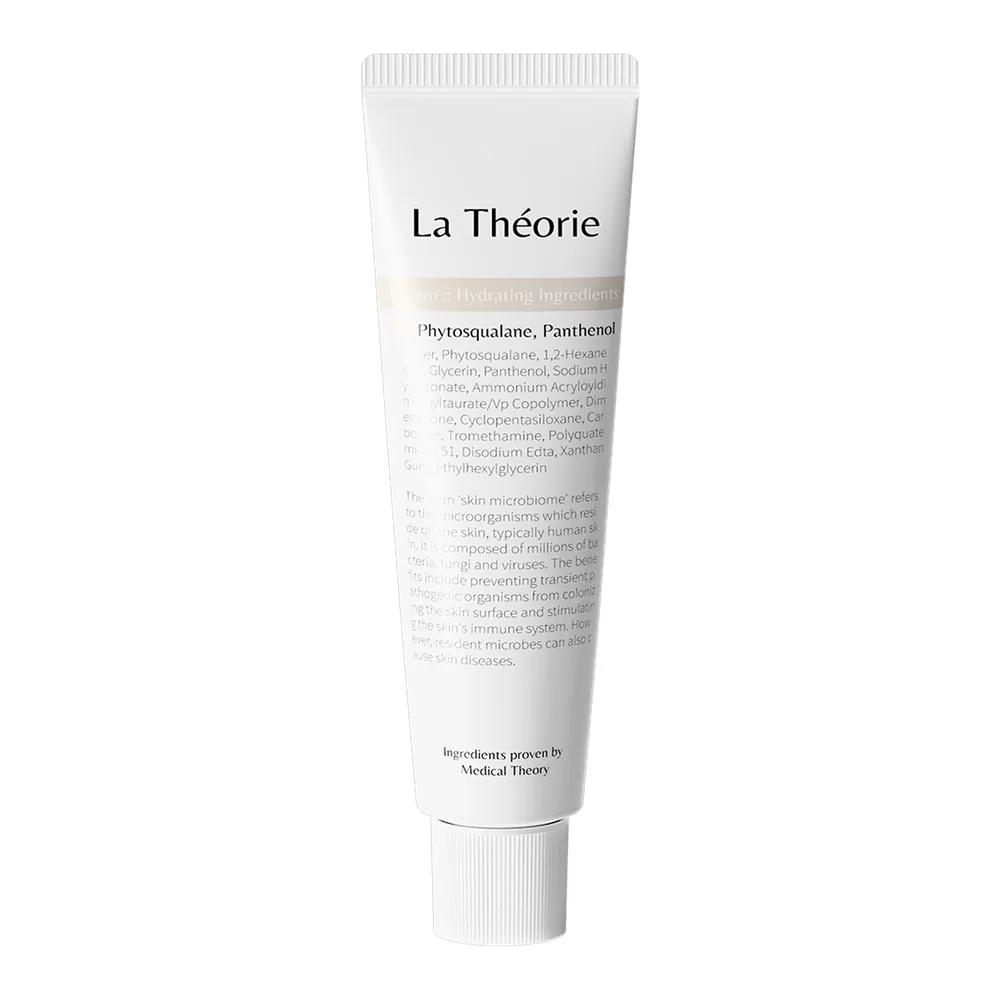
Cream :: Hydrating Ingredients
0% Fatty Acid Gel Cream for Folliculitis Care
Phytosqualane · Panthenol
View on Shopee →
- Steady Seller
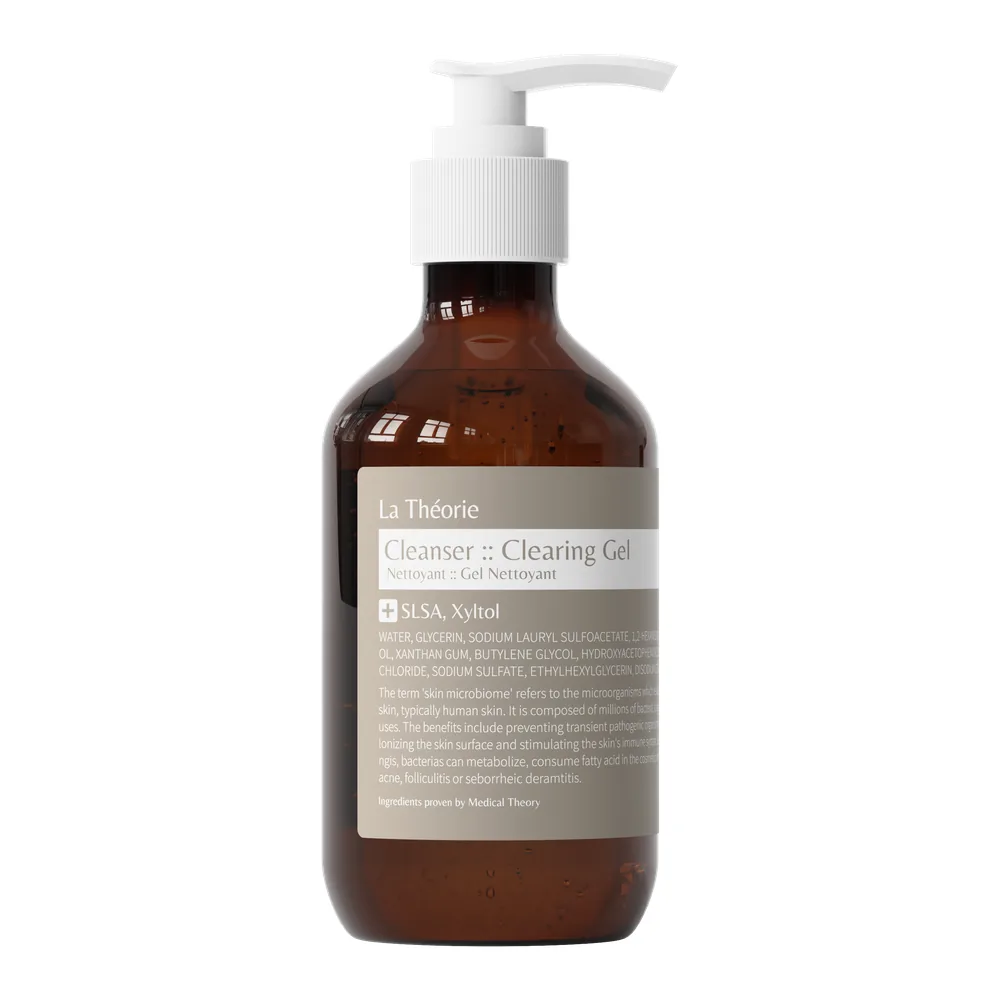
Cleanser :: Clearing Gel
Barrier-Protecting Cleanser with Gentle Surfactants
View on Shopee →
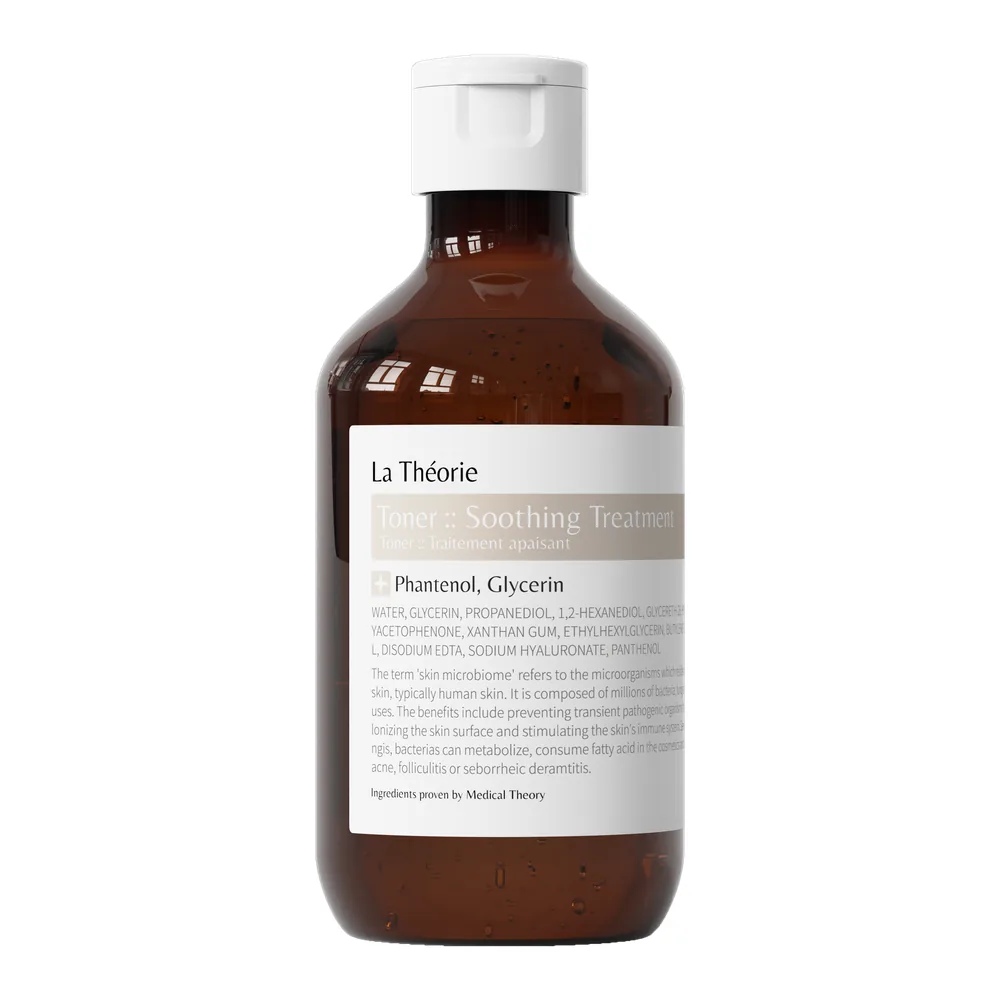
Toner :: Soothing Treatment
Microbiome-Balancing Toner for Folliculitis
Panthenol · Glycerin
View on Shopee →
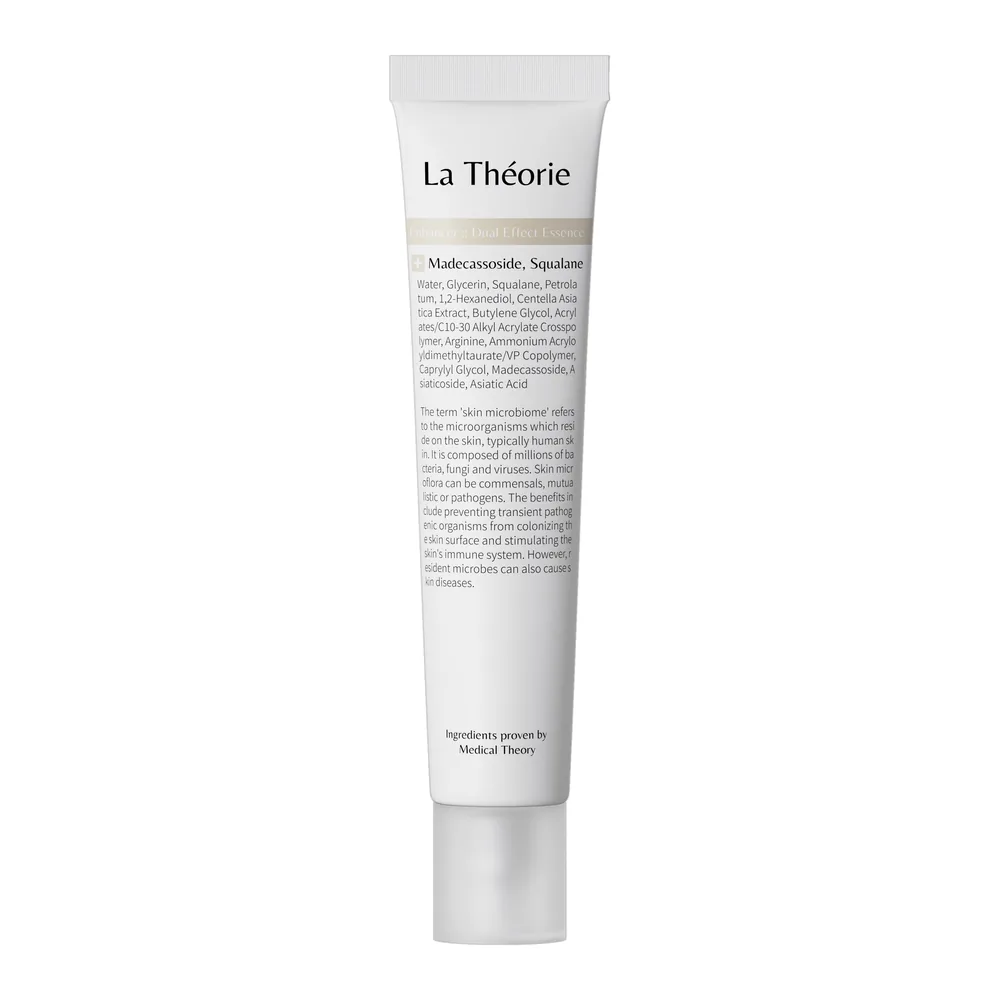
Enhancer :: Dual Effect Essence
Intensive Cream for Barrier Support & Blemish Care
Madecassoside · Squalane
View on Shopee →
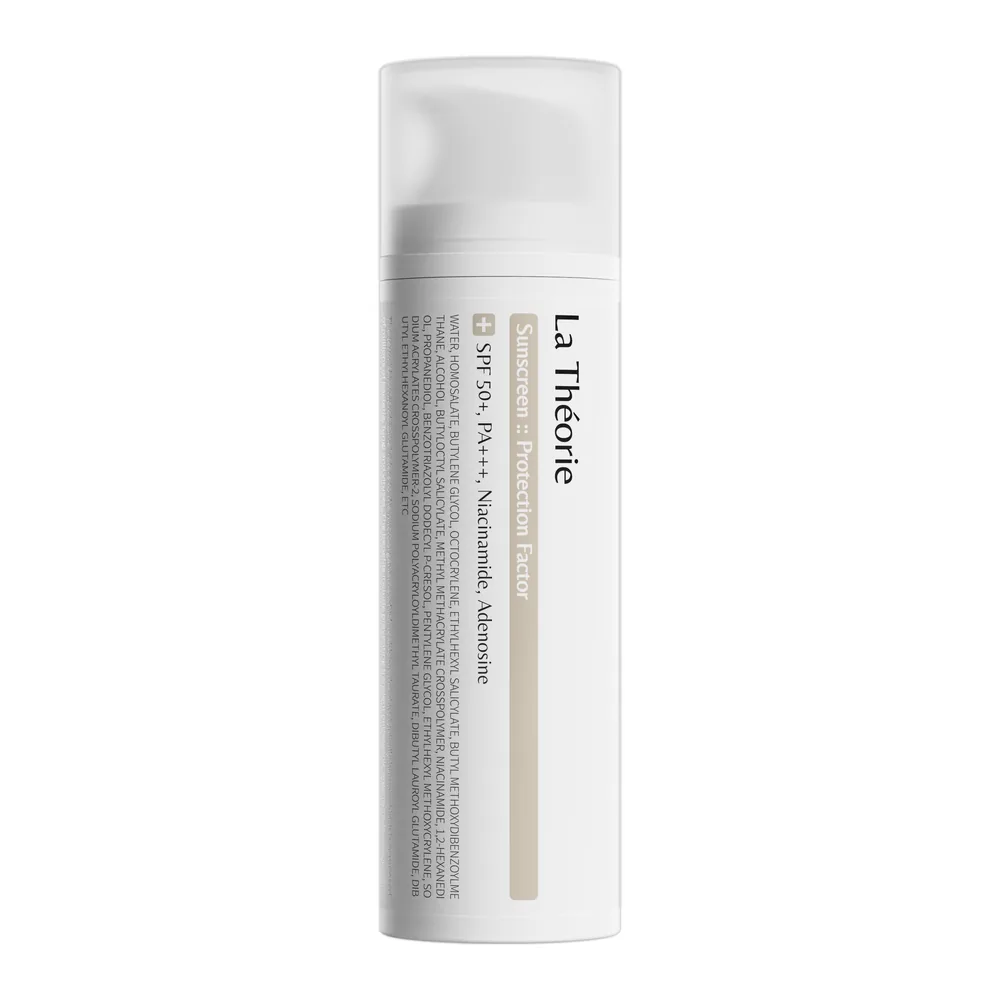
Sunscreen :: Protection Factor
Fatty-Acid-Free Sunscreen for Troubled Skin
Niacinamide · Adenosine
View on Shopee →
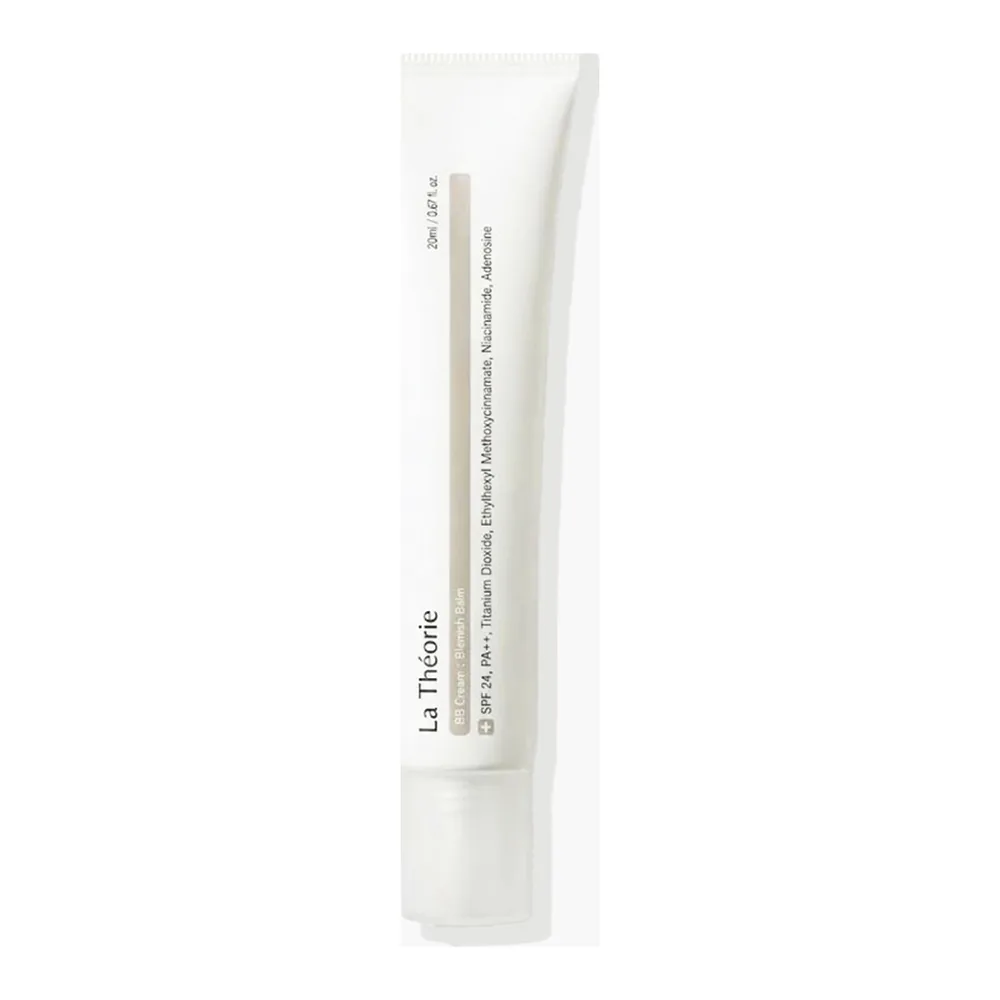
BB Cream :: Blemish Balm
Specialized BB Cream for Problematic Skin
View on Shopee →
Ingredients shown are the representative ingredients printed on the label. Official store: La Théorie on Shopee Singapore (shopee.sg/la_theorie.sg)
Interviews
Real experiences from medical professionals and skincare specialists in Korea
“
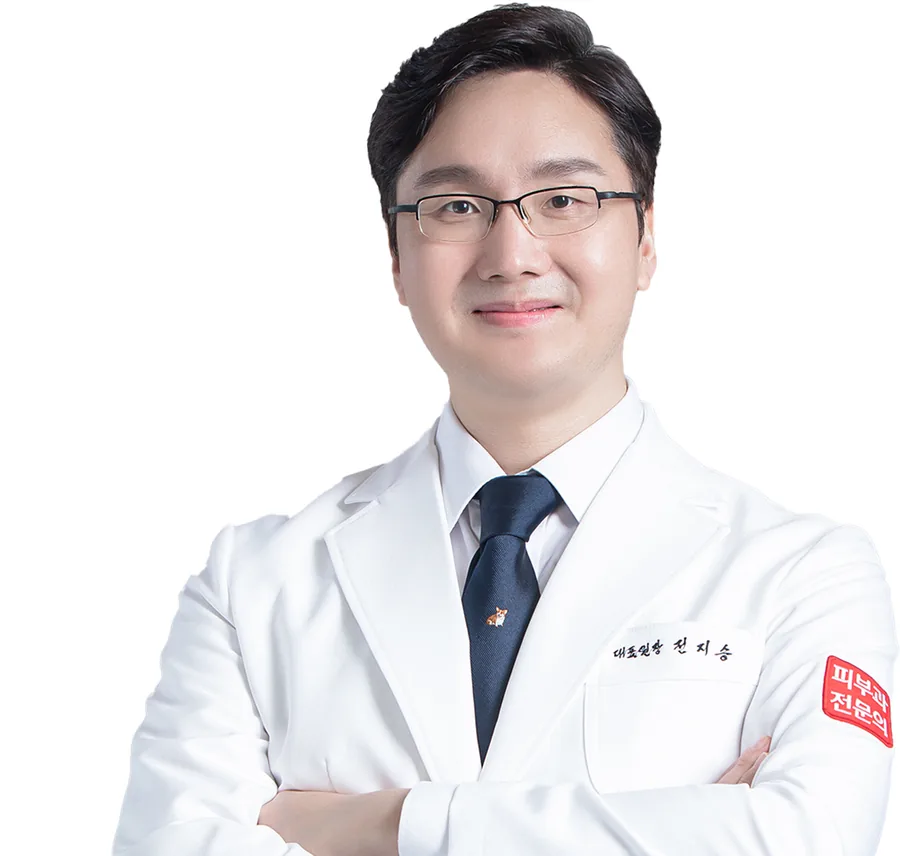
I cut the prescriptions, recommended a skincare product — and that became word of mouth.
Most acne patients leave with an antibiotic prescription after extraction. But many of them resist medication. Since placing La Théorie in our clinic, I've been able to give patients a real at-home routine to maintain their results. Fewer flare-ups meant fewer complaints — and satisfied patients started bringing in friends. Recommending a skincare product instead of another prescription actually built more trust.

“
It turned out the skincare product was driving more return visits than the treatments.
No matter how well a treatment goes in the salon, if a client goes home and uses something irritating, they're back to square one. I came across La Théorie on YouTube — a skincare line built specifically for troubled skin — and decided to try it. Once clients had a proper home routine, the results from our treatments lasted much longer. Now it's the first product I explain to every new client.
Articles
Each article answers a question people actually search for, cites its sources, and does not replace medical advice
Understand the problem
Explore
Should I moisturize acne prone skin?
Yes — but the real question is what with. Why oily skin still gets dehydrated, gel versus cream in Singapore’s humidity, and what a texture label does not tell you: fatty acids.
What skincare is safe for fungal acne?
What “fungal acne safe” actually means, what to look for at each step from cleanser to sunscreen, the five ingredient groups to scan for, and a routine that suits Singapore’s humidity.
Compare
What is a safe and hydrating moisturizer for fungal acne?
A gel or gel-cream that hydrates with humectants and leaves out fatty acids, oils, esters and polysorbates — what to look for, and a 60-second label check.
What sunscreens are safe for fungal acne?
Sunscreen is where most fungal-acne routines break: the base, not the UV filter, is where esters and oils sit. What to scan for, and how to wear it daily.
Frequently asked questions
The questions people search for
- Should I moisturize acne prone skin?
- Yes. Skin that is dried out tends to produce more sebum to compensate, and oily and dehydrated are not opposites — skin can be both. The question is not whether to moisturise but what with: a light texture (gel or gel-cream) and ingredients that do not feed breakouts.
- Is moisturizing gel good for oily skin?
- Usually, yes. A gel or gel-cream gives water without a heavy occlusive layer, which suits oily skin in Singapore’s humidity. If your skin is prone to fungal acne, also check whether the formula contains fatty acids — texture alone does not tell you that.
- What does “fungal acne safe” mean?
- That a product avoids the ingredients Malassezia yeast can use as food — mainly fatty acids, the plant oils and butters that contain them, their esters and polysorbates. It is a different criterion from non-comedogenic, and a product can meet one without the other.
- What ingredients should I avoid for acne-prone skin?
- Commonly listed: mineral oil and heavy plant oils, lanolin, drying alcohol and synthetic fragrance. For skin prone to fungal acne, the more useful rule is to check for fatty acids — most of the oils on that list are rich in them. Details are in “What to avoid if I have fungal acne?”.
- How can you tell if acne is fungal?
- Typical signs are small bumps of the same size, in clusters, often itchy, on the forehead, hairline, chest or back — and a routine for regular acne that does not help. Appearance alone is easy to misread, so a dermatologist should confirm it.
The content in this section is general information about cosmetic ingredients and is not a substitute for medical diagnosis or advice. If your skin is inflamed, painful or the condition persists, please see a dermatologist.